Video: Daniela Vavrova
4 August 2026
WINTER IS NEARLY PAST – SNAKE TIME IS COMING
Reptiles are cold blooded so they slow down during winter but as soon as the weather warms up, they will become much more active. We need to be prepared.
By Allan Cullington
MY INVOLVEMENT WITH SNAKES
When I was a kid, I was absolutely terrified of snakes. I remember the adults telling me that if I was bitten by a snake, it was all over – under the ground you go.
This is the same misinformation we hear about snakes today. Recently I read a post on Facebook to the effect that there were huge numbers of “coastal Taipans” on the esplanade at Yorkeys. RUBBISH!!!
I have been removing snakes from properties in Yorkeys for over 50 years and I have never come across a taipan.
SOME OF THE ALARMIST RUMORS ABOUT SNAKES
- There are lots of coastal Taipans at YK. – No! What we do have are brown tree snakes. They are very cranky characters but, despite being bitten multiple times I am still here.
- Snakes attack people – there probably have been instances of snakes attacking people, but in 70 years running around in the bush, I have never been attacked. However, I have been bitten more times than I can remember when I was trying to catch snakes. Reason is simple – a snake feels threatened when being caught, and its only means of defense is to bite. Irrespective of this, why would a snake waste its only means of defense [venom] on something it cannot eat?
- If a snake is on your property, it will stay there until it is removed – PROBABLY NOT. Snakes are much less active in cool weather. When the weather warms up, they become more active mating and feeding. If you see a snake on your property, it is most likely just travelling through and you don’t need to be concerned.
ARE SNAKES PROTECTED
- Snakes are protected under the Wildlife Act 1975.
WHAT ARE THE COMMON SPECIES OF SNAKES AT YK
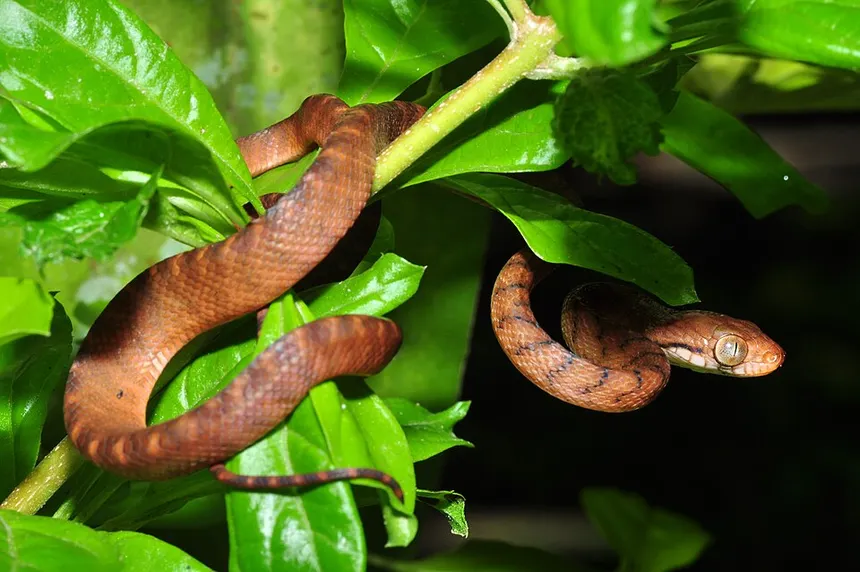
- Brown Tree Snake [back fanged] and not potentially dangerous. Feeds on birds [especially those in cages] mice, rats and lizards [loves geckos].
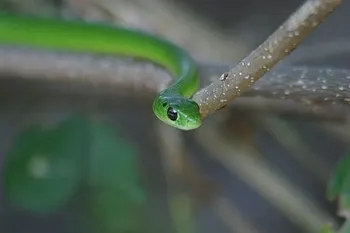
- Green Tree Snake and Northern Tree Snake [lack venom] preys on fish, frogs, small reptiles and occasionally mice.
- Amethystine Python – Australia’s largest snake. Not potentially dangerous. Eats rats, bandicoots, wallabies and birds – especially domestic chickens.
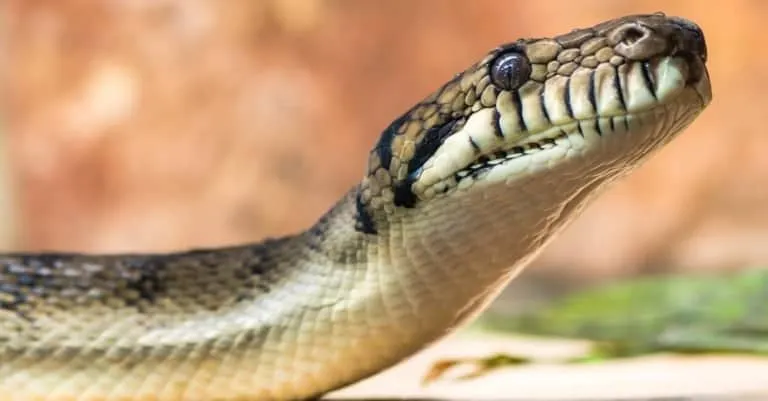
- Carpet Snake – Not potentially dangerous but a ready biter. Preys on rats, possums, flying foxes, small dogs, cats and sometimes birds. Also eats frogs and cane toads, but the snake will die after eating a cane toad.
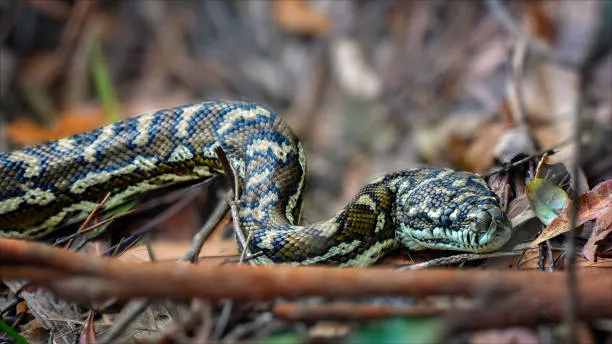
LESS COMMON
- Coastal Taipan – One of the most dangerous snakes in the world. Preys on rats, mice and bandicoots. A friend from National Parks removed one from a property on Varley Street about 30 years ago. Then there was the unfortunate man who lost his life after being bitten about 15 years ago.
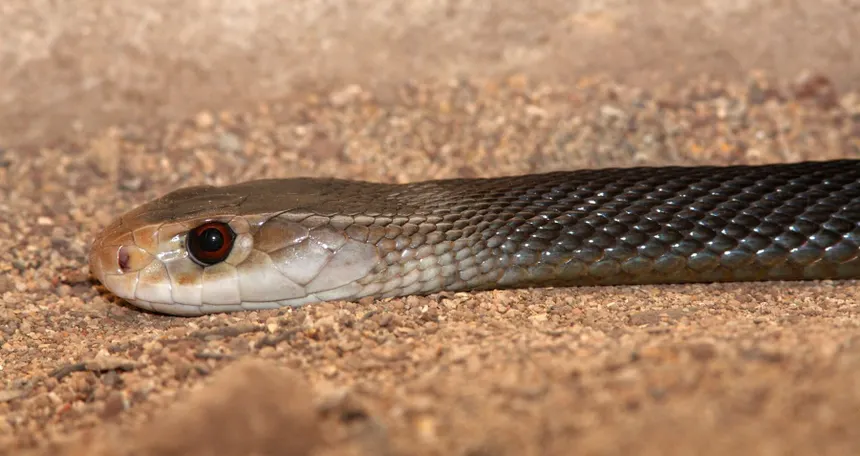
- Macleays Water Snake – Ready biter though not potentially dangerous – weak venom. Preys on fish and frogs.
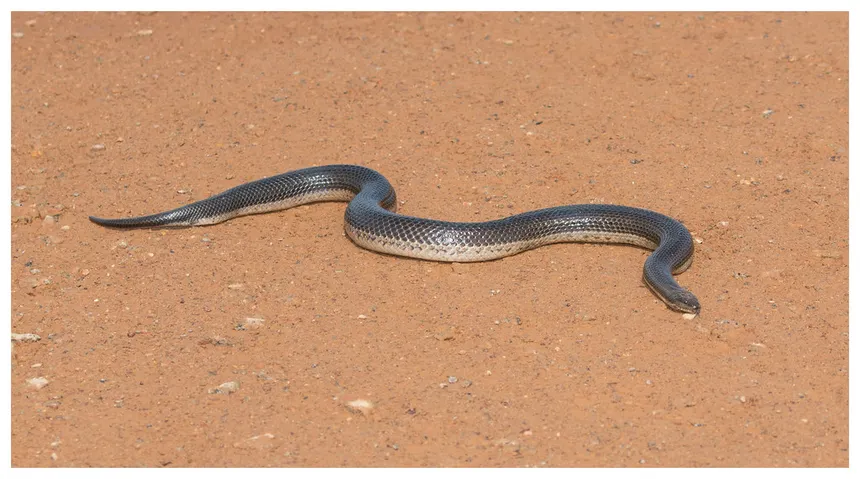
- Keelback – Not potentially dangerous – ready biter but lacks venom. Preys on skinks frogs, tadpoles and small cane toads – a large toad will kill the snake.
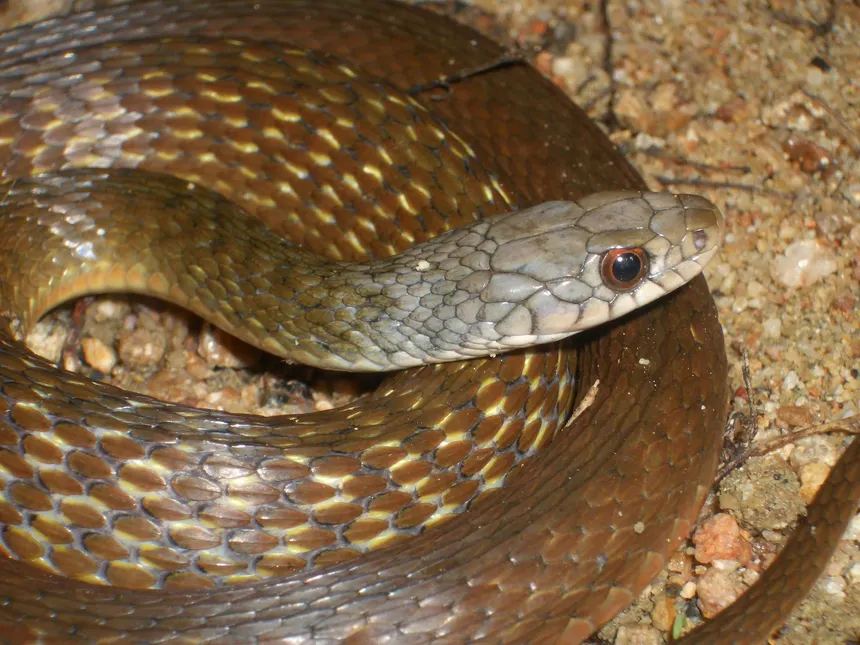
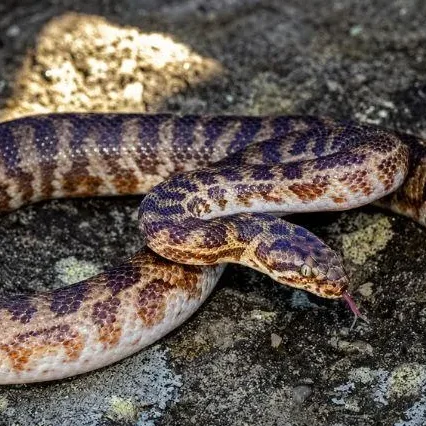
- Spotted Python –Very small python to 1M. Not potentially dangerous. Preys on reptiles, birds, mice and rats.
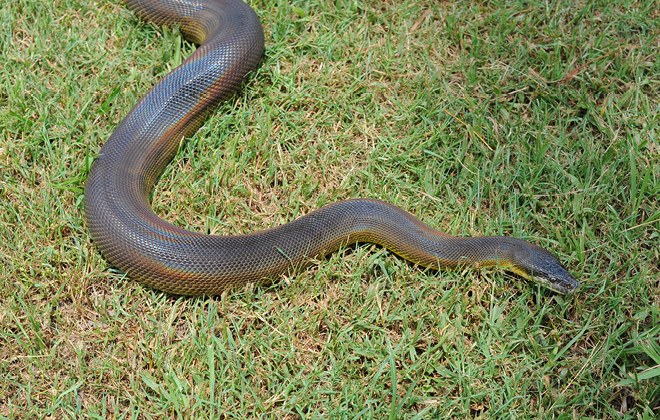
- Water Python – not potentially dangerous but a ready biter. Preys on reptiles, birds, mice and rats.
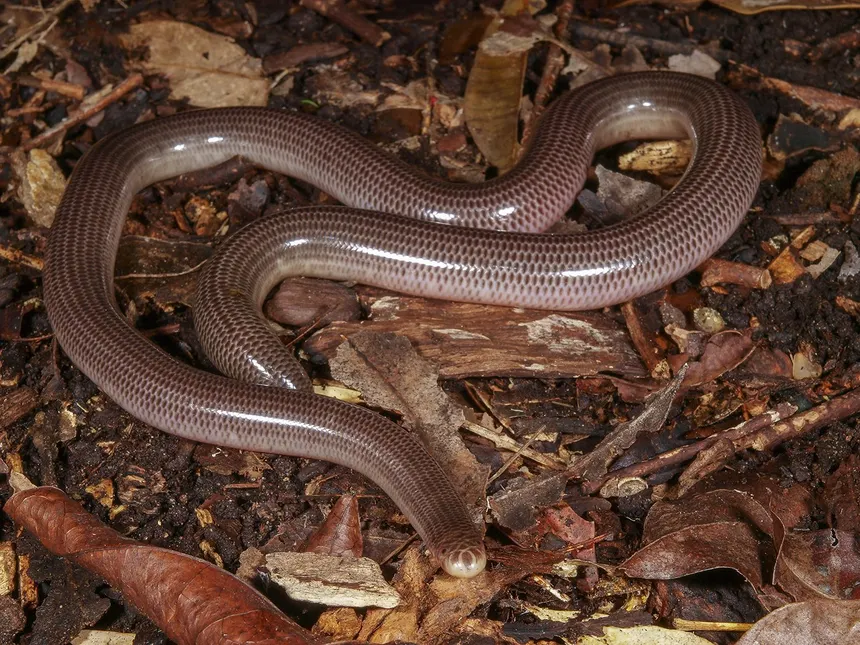
- Blind Snakes – grow to 40 cm max. Incapable of biting. Feeds on ants and ant larvae.
You will notice that the majority of snakes prey on mice and rats. Bear in mind that there has never been a case of a house burning down because a snake chewed through the wiring.
WHAT TO DO IF YOU SEE A SNAKE IN YOUR YARD
- Best bet would be to ignore it. But if you are really frightened you can give me a call and I will remove it [Allan 4055 7320].
WHAT TO DO IF YOU SEE A SNAKE INSIDE YOUR HOUSE
- See if you can encourage it to go outside. Unless you are certain of the species, do not attempt to handle the reptile. If you want it removed by a snake handler, do not let it out of your sight as capture can become pretty much impossible if you do.
WHY DO SNAKES REACT AGGRESSIVELY ON SOME OCCASIONS
- We often confuse defense with aggression – the snake is sending you a message – leave me alone or there will be consequences.
- Snakes will behave aggressively if they are threatened, but no local snake can eat a human so there is no motivation for aggressive behavior except defense.
WHAT TO DO IF YOU ARE BITTEN BY A SNAKE
- Apply a broad, firm bandage to cover the area of the bite. In the case of a limb, as much as possible of the limb should be bound as tightly as for a sprained ankle.
- Immobilize the affected limb with a splint – leave this in place until removal by hospital staff.
- Discourage the victim from moving more than absolutely necessary.
- Do not wash the bite area.
29 May 2026
Tree Pruning and the Quiet Loss of Our Natural Heritage
Across our communities, mature trees are disappearing at an alarming rate, often with little apparent assessment of their ecological value. Despite Council policies intended to protect vegetation, many residents continue to witness the removal or excessive pruning of significant trees with minimal transparency or explanation.
In Yorkeys Knob, this issue has become increasingly difficult to ignore. Over the six years I have lived here, I have observed numerous mature trees removed for reasons that were not obvious to residents. Too often, trees appear to be assessed primarily as hazards or maintenance concerns, rather than as essential components of a functioning ecosystem.
One example remains particularly concerning. Several years ago, a giant Melaleuca tree on public land near the entrance to the new boat ramp was moments away from removal when a resident intervened. A contractor had already arrived with a chainsaw, yet the reasons for the proposed removal were never clearly explained. Without that intervention, an irreplaceable part of the landscape would have been lost.
More recently, contractors working for Council heavily lopped a large Eucalyptus/Corymbia tree in Dowsett Close. This tree has long served as an annual nesting site for sulphur-crested cockatoos. According to a nearby resident, one of the removed limbs also contained a nesting hollow. While some branches extended over the roadway, there appeared to be little justification for the scale of pruning undertaken, particularly as no nearby homes were at risk.
The concern here extends beyond individual trees. The cumulative effect of repeated removals and excessive pruning gradually alters and degrades the quality of our environment. Replacing mature trees with saplings is not a simple solution. In a tropical landscape such as Cairns, large trees may take 50 to 80 years to reach maturity. During that time, countless species — from birds and insects to microbes — lose habitat and ecological connections vital to their survival.
Trees are not simply features of the landscape; they are infrastructure for biodiversity and wellbeing. Councils must strengthen the assessment of significant trees, improve ecological training for arborists, and prioritise minimal intervention wherever possible. Tree management should aim to preserve habitat and ecological function, not merely maximise maintenance intervals.
Protecting mature trees means protecting the living systems that depend on them — including ourselves.
Dr Michael Powell
PhD, Ecological Modelling
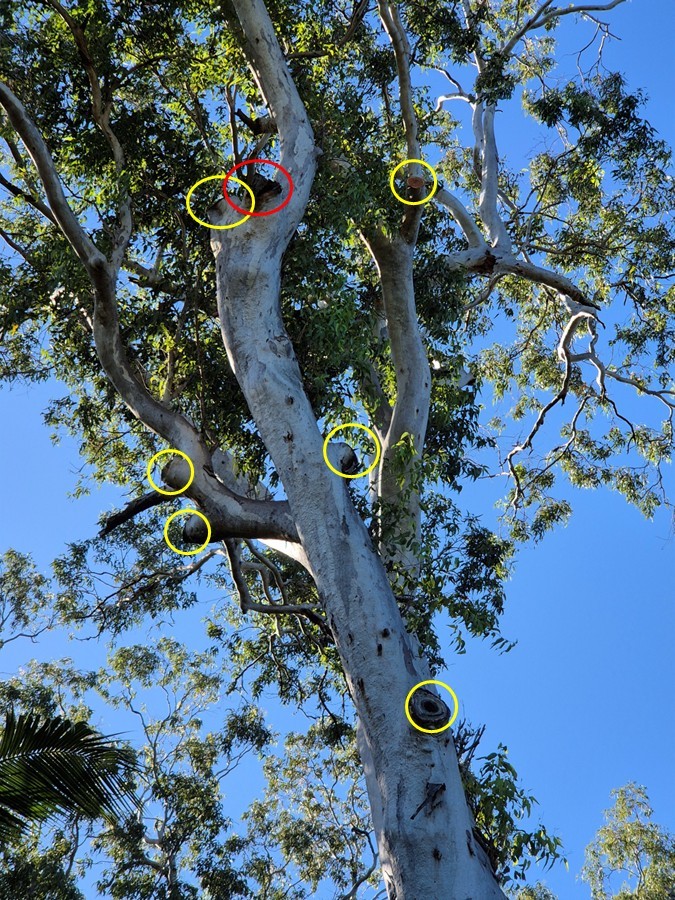
The damage to the tree by the loppers is shown in yellow circles and the nesting site of one pair of the cockatoos in red.
The cockatoos in 2015 on the tree.


Photos by Frank Fisher